Search

Amy F. Quincy Author/Freelance Writer

Category

In the Notebook

Writing, Creativity, The Arts

Imagination and Memory

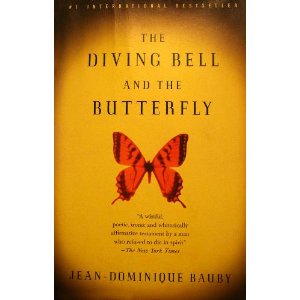
Imagine for a moment, waking up in a hospital to find yourself paralyzed from head to toe, unable to move or even speak. That was the fate of Jean-Dominique Bauby, editor of French Elle, when he suffered a massive stroke that left him a victim of “locked-in syndrome” at the age of 42. He would never leave the hospital, never eat except by tube and never have a regular conversation again. And yet, it was during this time that he wrote his                                                                                            bestselling memoir, The Diving Bell                                                                                           and the Butterfly

Left with a fully functioning and brilliant mind, but able only to blink his left eyelid, he wrote and memorized entire paragraphs in his head. His speech therapist designed a system by which someone would read the alphabet and he could blink when they came to the letter he wanted. Sometimes I feel sorry for myself, pecking away with thumb and index finger at the rate of nine words a minute in the comfort of my own home. Bauby dictated an entire novel from his hospital bed, letter by painstaking letter. I think of him often.

His memoir, published in 1997, received critical acclaim and its beautiful prose is testament to the power of the human spirit. Bauby’s mind is the butterfly, taking flight from his physical body, the diving bell. A French film, directed by Julian Schnabel, followed in 2007 and was nominated for four Academy Awards in the areas of directing, cinematography, writing and editing. In the film version, the subtitled words for Bauby’s thoughts appear, “I’ve decided to stop pitying myself. Other than my eye, two things aren’t paralyzed. My imagination…and my memory. They’re the only two ways I can escape from my diving bell. I can imagine anything, anybody, anywhere.”

Bauby died of pneumonia on March 9, 1997, just two days after the publication of his memoir. This coming week, as we approach the anniversary of his death and I continue to use words to try and cultivate my own butterfly garden, I feel grateful for two things. My imagination…and my memory.

Write It Down!

“The discipline of writing something down is the first step toward making it happen.” ~ Lee Iacocca, auto executive

Before I ever moved to Jacksonville, when I was still in college, I wrote in my journal what I wanted for myself as a young adult on my own. I live alone in a great apartment by the beach. I have a job that pays all the bills, lots of friends and an orange cat. Years later, I re-read my entry. I didn’t even recall consciously wanting those things, yet I had them all, right down to the color of the cat.                                                                                                                                                                                                                                                                                  Henriette Anne Klauser explains this phenomenon in her book Write It Down, Make It Happen: Knowing What You Want – And Getting It! By putting it on paper you declare your intent. And  that, she says, keeps the subconscious part of your brain working in the background to make it happen. You become more alert to the signs and signals that help you achieve your goal. So, I went into the Humane Society in ’92 thinking I wanted to adopt a kitten of any color, but when I saw the orange one some part of my brain went Ding! Ding! Ding!                                                                                                                                                                                                                                                                                                                                                                          By writing it down, you declare yourself in the game.  Putting it on paper alerts the part of your brain known as the reticular activating system to join you in the play. ~ Henriette Anne Klauser                                                                          
                                                                                                                                                                  So write it down. Don’t just think it. In the same way that you may keep a list of things to do that day, write down what you’d like to accomplish in the longer term. A year or five years. “There is a solidity in actually committing it to paper,” says Klauser. “It is a physical thing to put it on paper…writing it down is a commitment.”


And experts say to use language in the present tense, as if it’s already so. As in, I work for myself, I have all the clients I need, or I am a successful writer. And I’m no expert, but for what it’s worth – be specific! I should have said I live on the beach, not by the beach.

All About the Books

Want to know my dirty little secret? In college, I didn’t actually read the books. Well, that’s an exaggeration. I didn’t read all the books. I mean, c’mon! I was an English major. How was I supposed to read all those books and write the papers on them? Seriously, it was like a book a week or some crazy thing. I had a social life too, you know. There were football games to attend and keg parties to go to. And to me, those things were just as important as my education. (Hey, I was nineteen!)

I always felt bad about that. Everyone assumes that an English major is well-read. And the first piece of advice you ever hear about writing is that to write well, you need to read a lot of books.

So, I set about making up for lost time. I read a lot throughout my twenties and thirties. I consulted old reading lists. I read Oprah’s picks. I even bought into that Classic Book of the Month club until it proved too costly and I dropped out. I still have two books from then, leather-bound, edges leafed in gold: Moby Dick and Great Expectations. I started Great Expectations for the first time this weekend, spurred on by my own blog. The point is, it’s never too late.

It is what you read when you don’t have to that determines what you will be when you can’t help it.  ~Oscar Wilde

Though I strayed in college, I’d been a pretty voracious reader as a child and adolescent. I loved and collected all of the Nancy Drew series. I was shocked to learn they sell those in antique stores now. (Great.) As a child, my grandparents gave me The Boxcar Children about four orphans who run away and set up house in an old boxcar. The children wash and keep milk cold in a nearby stream. They find old dishes to use in a dump. It was one of my favorites — independent even then.

 I would be most content if my children grew up to be the kind of people who think decorating consists mostly of building enough bookshelves. 

~Anna Quindlen

I realized at a young age, the comfort a book can provide. I remember spending part of a summer at my aunt’s, desperately homesick. The only thing that consoled me was a book from my mom — The Wind in the Willows. This still applied 20 years later in Europe, alone in my tent, snuggled up to a copy of A Woman’s World: Traveler’s Tales. 

Reading – the best state yet to keep absolute loneliness at bay.

  ~William Styron

And what teenage girl of my generation didn’t read Judy Blume’s Forever, Wifey or Are You There God? It’s Me, Margaret.? So, do yourself a favor. Grab a book and settle in. It’s the perfect activity for chilly nights when the days are shorter. Or instill reading in your children. It’s a habit they’ll come back to, even when it seems all they care about is parties and football. I guarantee it.

Monastery Hours

Early to bed and early to rise makes a man healthy, wealthy, and wise.

~Benjamin Franklin

I am writing this at the ungodly hour of 4:13 a.m. ‘For the love of pete, why?’ would be the legitimate response. And I’m going to tell you. First, let me get the obvious out of the way. As a disabled person, it takes me an hour and a half to shower and get ready — and I don’t wear makeup or do anything to my hair aside from brushing it. Basically, I get ready like a guy, but take the time of a prom queen on formal night. Add an hour for Frankie’s walk, plus time for breakfast and it’d be lunchtime if I slept late.

So, I like to get up early. It wasn’t always this early. For awhile, I was “sleeping in” till 5:30 or 6:00. But after a short break, I’m reinstating “monastery hours,” as a friend calls them. (She keeps them too.)

The simple reason is — I get more done. It’s peaceful and quiet (Frankie’s still asleep,) and the phone never rings. I use it as my time to write. My writing coach has been encouraging us to get in 1,000 words a day.  I know I’ll never make that, but I figure I’ve done my part if I get in a good hour and a half to two hours of uninterrupted writing every morning.

For those of you who follow such things, November is National Novel Writing Month, or NaNoWriMo.  The organization that runs this challenges writers to write a 50,000 word novel in a month. That’s 1,666 words a day if you break it down. Sara Gruen supposedly wrote Water for Elephants during her month of NaNoWriMo. The point is, to call yourself a writer, you actually have to write. And you really should do it every day. So writers, as my father would say, “poop or get off the pot.” (Actually, my father would say the words originally intended, but this is a good, clean, family blog.)

I’m often commended on my discipline, getting up that early in the morning. But the morning is easy, often automatic, if I’ve had enough sleep. Where it takes discipline is the night before. I need my eight hours. Which means I have to go to bed at 8:00. Which means I have to start the process at 7:00. I often fall asleep to the sounds and smells of a neighbor’s dinner, barbecue flaring up, steaks on the grill. And before the recent time change, the sun was still up. Once, I woke from a deep slumber to the sound of the telephone ringing. I answered it, my voice thick with sleep and irritation. “Do you know what time it is?” I demanded. “8:30,” came the response.

Even if you’re not a writer, you’re not off the hook. The benefits are endless and for everyone. Get to work early and get a head start, catch the sunrise, squeeze in a workout, beat the traffic or finally have time for breakfast. And if you are a writer, the early morning hours are best for channeling that ever elusive Muse. Wayne Dyer believes you are closer to divine inspiration at dawn. Or if he’s too New-Agey for you, take it from Bill Gates. He’s an early riser, too.

Assuming I’ve convinced you to give it a try, here are some tips:

1. Get enough sleep. I can’t stress this one enough. To get up earlier, you need to go to bed earlier. Otherwise it will be that much harder and you’ll feel awful. Or maybe you like fighting a losing battle.

2. Have a reason to get up. Ever notice how easy it is to get up to catch that flight or pack on the first day of vacation? Doing something productive or having something to look forward to makes it easier.

3. Don’t rationalize. If you allow your brain to talk you out of it, it’ll never happen. Don’t even start to have that conversation. Just don’t go there.

4. Set the alarm across the room. If you have to get out of bed to wake up, you’re less likely to get back in it.

5. Don’t make drastic changes. Don’t attempt to change your routine overnight. Start by setting the alarm 15-30 minutes earlier. Gradually increase this by increments until you reach your goal time.

6. Get out of the bedroom immediately. Don’t tempt yourself by the sight of an unmade bed. Walk into the bathroom, turn on the light. Wash your face or jump in the shower. How about heading to the kitchen and starting that coffee?

7. Don’t hit snooze. You’re not getting up. And you’re not getting good sleep. It’s a lose-lose. And if you hit it once, you’re more likely to hit it two, three or seven times.

8. Reward yourself. Stay motivated. Treat yourself to something if you’ve accomplished your goal. Enjoy a tasty breakfast treat or a smoothie.

9. Get a wake-up buddy. Just like working out, it’s easier with a friend. Find a similarly motivated pal and encourage or call each other.

10. Pay attention to sleep cycles. Your body goes through five sleep stages, including REM sleep. If you’ve tried all the above and you’re still having trouble, you’re likely waking in the middle of a cycle when it’s best to wake at the end of one. Try setting your alarm a half-hour earlier or later.
Checking It Twice (Okay, 11 times)

It happened week before last. The thing that prompted this whole “get-organized” endeavor. I lost a computer file of pictures. Important pictures. Pictures for my website, my author bio. A full-fledged hunt ensued. I clicked on the wastepaper basket. It had recently been automatically emptied. If only the real trash would take itself to the curb as efficiently.

Enough was enough. I had to take back control. I am an organized person. Just ask anyone who knows me. My writing group is still freaking out over a confession in one of my stories that my frozen foods are arranged left to right, top to bottom. (How else are you supposed to read the labels?) But, things had gotten out of hand. A typical case of having too much to do and not enough time to do it.

So, I did what I always do when faced with a daunting new task. I bought a book. Getting Things Done by David Allen. Armed with this book, Internet research and tips from organizational guru Stephen R. Covey, I learned a few things. This week, I feel a lot better. And that’s what it’s all about, after all. Feeling less stressed. Continue reading “Checking It Twice (Okay, 11 times)”

Big Rocks First

I would like to dispel this notion that disabled people sit around all day and watch daytime television. When I worked full-time, I would long for a sick day to sleep late, stay in my pajamas and watch The Price Is Right. I still have that dream. Just because I don’t receive a paycheck doesn’t mean I don’t get stressed or have a problem with time management. I do. Okay, maybe I watch an episode or two of HGTV’s House Hunters over lunch, but that’s it. I wake at 5 a.m., “quit” at 5 p.m. and still feel I don’t have enough hours in the day or days in the week.

The problem became apparent in the last few weeks as I tried to juggle writing a weekly blog, finishing a book and walking Frankie every morning and evening. And let’s not forget that when you’re disabled, everything takes longer. Getting a shower, fixing a meal, transferring to my power chair with an excited pooch at my feet. Everything. I can spend a half-hour pecking out just one email!

So, I started researching organization and was introduced to the concept of “big rocks”  from Stephen R. Covey. He wrote the widely popular The Seven Habits of Highly Effective People, first published in 1989. That’s right — 1989. And I’m just now learning about it. Ironic that I never felt the need to be even slightly effective before becoming disabled. (I’d argue that being productive and successful matter more when you’re doing something you love, but that seems like another post.)

Anyway, the idea is to prioritize. Your big rocks are what’s important to you in the overall scheme of things. The big picture. It’s personal. Maybe it’s time spent with family. Maybe it’s giving back — a charity or other service. The point is to get the big rocks in there and not squander away your time on hold with the cable company or reading email jokes.

One of the concepts I picked up during my web surfing is this: you have to follow your compass before you watch the clock. In other words, before you can manage your time, you need to know where you’re going, your priorities and goals. Instead of focusing on what’s urgent, learn what’s important to you. Where you are headed is more important than how fast you are going. Think of the Titanic.  

I thought about my big rocks and came up with three non-negotiables that I simply must make time for. Frankie (if you’ve read some prior posts, you know how much I get out of his walks,) my health (maintaining my current mobility is crucial to my continuing to live independently) and my writing (my passion and purpose.)

As it turned out, that covered two of the seven habits. I don’t know the others yet, so I’m only mildly effective. Habit 3 is putting first things first or prioritizing. In Habit 7, you focus on finding balance between the physical, mental, emotional and spiritual areas of your life. This jives with my big rocks. Physically, I’m taking care of my health and exercise. My mental rock is my writing. And Frankie is a two-for. I cover my emotional needs by having social and meaningful interactions with others (just today I ditched my planned routine and went down to the local coffee shop with him at the invitation of a friend.) I think I successfully cover the spiritual side of things when I commune with nature on our walks and meditate seaside.

What are your big rocks? Think about your compass. And next week, I’ll get into the nitty-gritty of the clock. For now, I’m running out of time to post this.

In Praise of Rejection

I recently received a rejection letter.  Well, letter is an overstatement.  I received a rejection slip.  It wasn’t even a full sheet of 8 1/2 x 11 paper.  It was half that.  A blank had been filled in with my name.  “Dear Blank, we’re sorry we can’t use your work at this time, but thank you for letting us consider it.”  I was thrilled.

You see, getting an actual response has become a rarity.  Stephen King used to save rejections on a nail in his bedroom.  Lots of writers do.  In my fantasies of living the writer’s life, an entire wall of my office was wallpapered in rejection slips — the sign of a working writer.  But now, many publishers are so inundated with unsolicited work they don’t even bother to say, “Thanks.  But no thanks.”  Nowadays, no news isn’t good news — bad news is.

So to me, no response means no.  And you better believe, I’m keeping track.  Today’s writers may not have the form-lettered proof, but rejection still reigns.  Famous authors seem to know precisely how many times their manuscript was rejected before being accepted.  J.K. Rowling submitted Harry Potter to 12 publishing houses before it came out in print.  18 publishers thought Richard Bach’s book about a seagull was absurd (Jonathan Livingston Seagull.)  Even John Grisham, who seems to have mastered the art of selling novels (and movie rights,) had his first book, A Time to Kill, rejected 28 times.

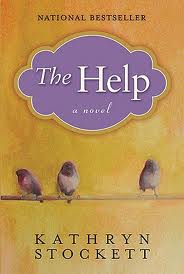
The Help the movie came out last week.  My expectations are low.  Aside from a few notable exceptions (The Godfather, Gone With the Wind, The Shawshank Redemption, to name a few,) the book is always better than the movie.  The Help author, Kathryn Stockett, was turned down 60 times.  60.  After rejection number 40, she started lying to her friends, even her husband.  She was rewriting and resubmitting on the sly.  She felt ashamed for not letting it go.

As persistant as that sounds, Robert Pirsig racked up twice as many rejections for Zen and the Art of Motorcycle Maintenance.  Imagine continuing after being turned down 121 times.  Consider that Madeleine L’Engle received 26 rejections before A Wrinkle in Time was published and won The Newbery Medal.  Or that Jack Canfield and Mark Victor Hansen were rejected again and again when submitting their idea for Chicken Soup for the Soul.   I’ve submitted to the series twice.  The first time, I received a postcard telling me publication of a particular title was suspended until a future date.  The second time, I never heard back.  I’ll take that as no.  Both times.

So, how do you keep going?  Kathryn Stockett says this.  “I can’t tell you how to succeed.  But I can tell you how not to: Give in to the shame of being rejected and put your manuscript — or painting, song, voice, dance moves, [insert passion here] — in the coffin that is your bedside drawer and close it for good.  I guarantee you that it won’t take you anywhere.  Or you can do what this writer did: Give in to your obsession instead.”

Perfectly Imperfect

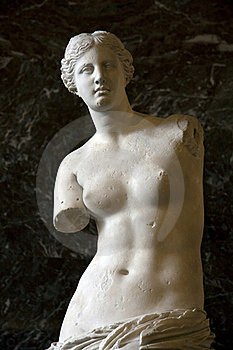
Killian McDonnell’s poem “Perfection, Perfection starts out, “I have had it with perfection.  I have packed my bags,  I’m out of here.  Gone.”  It ends, “Hints I could have taken: Even the perfect chiseled form of Michelangelo’s radiant David squints, the Venus De Milo has no arms, the Liberty Bell is cracked.”

I love that.  And it’s a good lesson.  I’ve known perfectionists, myself included, who agonize over each word, each comma, each turn of phrase.  I know a writer who tinkers with her work until she worries she’s tinkered the clever right out of it.  I know an artist who’d prefer to hang her paintings herself lest they not receive proper placement for optimal appreciation.  I, myself, read my words over so many times that I know them by heart.  It’s an illness, this perfectionism.  I think about that sculptor laying awake at night fretting over the Venus De Milo’s arms.  Maybe their shape wasn’t coming out quite right.  And those sleepless nights.  What were they all for?

I give you the serenity prayer: God, grant me the serenity to accept the things I cannot change; courage to change the things I can; and the wisdom to know the difference.  A very wise woman (my mother) once asked me “why worry about what you can’t control?”  If I may put it into my own words: do your best work (like the sculptor,) but then let it go.  Don’t lose sleep over it.  The arms may fall off anyway.  It’s probably still a masterpiece.

On Optimism

Enough has been said about writers and artists being a pessimistic bunch.  In fact, they are so well known for being depressed, addicted and suicidal that many beginning talents think they have to be down and drunk to enjoy any real creative success!  So, I’m here to talk about that supposed anomaly — the happy artist.

Plenty of creators were positive people.  Charles Dickens, Ralph Waldo Emerson, and Samuel Johnson (considered one of the most important authors of all time for publishing the Dictionary of the English Language) were all optimists.  Paulo Coelho is a positive Brazilian author, famous for his spiritual teachings and best sellers, including The Alchemist.

Political leaders like Winston Churchill, Abraham Lincoln and Mahatma Gandhi were all eternal optimists, along with inventor, Henry T. Ford, and the man whose name will forever be synonymous with “genius,” Albert Einstein.

Roy Lichtenstein's "Sunrise"

Robert Brault, a well known and frequently quoted writer said it best when he said, “After 5,000 years of recorded human history, you wonder, what part of 2,000,000 sunrises doesn’t a pessimist understand?”

In a Newsweek article on optimism it was reported that “researchers have claimed that a positive outlook motivates us to plan for our future and may even have an effect on our long-term physical health.  It’s increasingly clear that your mental outlook can have a big effect on your physical health.”

I’ve been accused of being a Pollyanna, but I don’t really mind.  I’m the kind of person that doesn’t watch the news.  This drives my activist mother crazy.  She believes it’s important to stay informed and get involved.  CNN is on constantly at her house.  But, I can’t live on a diet of murder and mayhem.  I find out about hurricanes when there’s long lines at the grocery store.

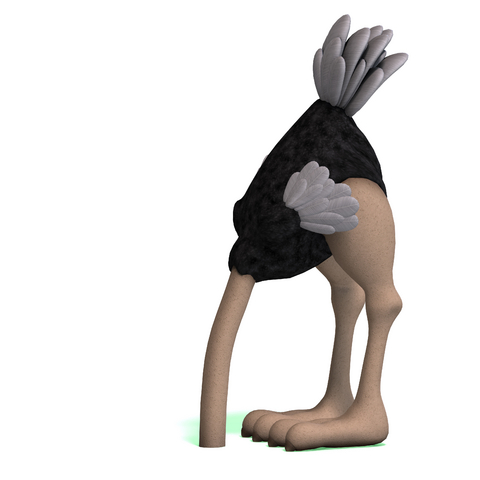
I guess I’m sticking my head in the sand, but I was validated by Dr.Andrew Weil’s book Spontaneous Healing.  He recommends “news fasts” as part of his program to a more efficient healing system.  It’s easy to forget we have a choice as to whether we let negative information into our minds.

And for those beginning talents out there, remember what Helen Keller said, “No pessimist ever discovered the secret of the stars, or sailed to an unchartered land, or opened a new doorway for the human spirit.”


Website Built with WordPress.com.

Up ↑